Article: Dead Sea Hand Cream Benefits for Dry Hands
Dead Sea Hand Cream Benefits for Dry Hands
Hands often reveal dryness before the face does. Repeated washing, dry indoor air, sun exposure, changing temperatures, and everyday friction can leave the skin on the hands feeling tight, rough, and less comfortable. The most meaningful dead sea hand cream benefits come from pairing the Dead Sea’s distinctive mineral heritage with a well-designed formula that supports moisture, softness, and a healthy-looking skin surface.
A hand cream is not simply a finishing touch in a body-care routine. It is a practical daily treatment for skin that is consistently exposed and frequently cleansed. For those seeking a more refined approach to dry hands, the value lies in understanding what the formula contains, how it feels on the skin, and how consistently it is used.
What Dead Sea Hand Cream Benefits Can Look Like
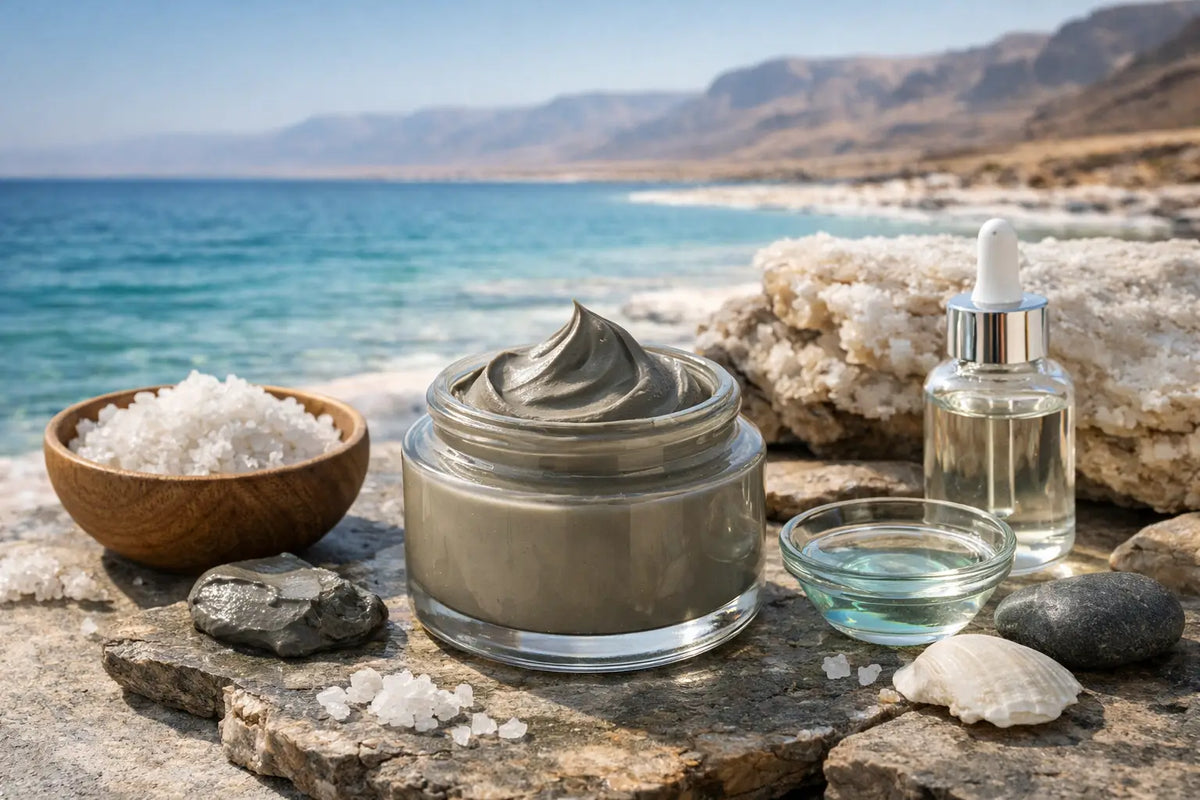
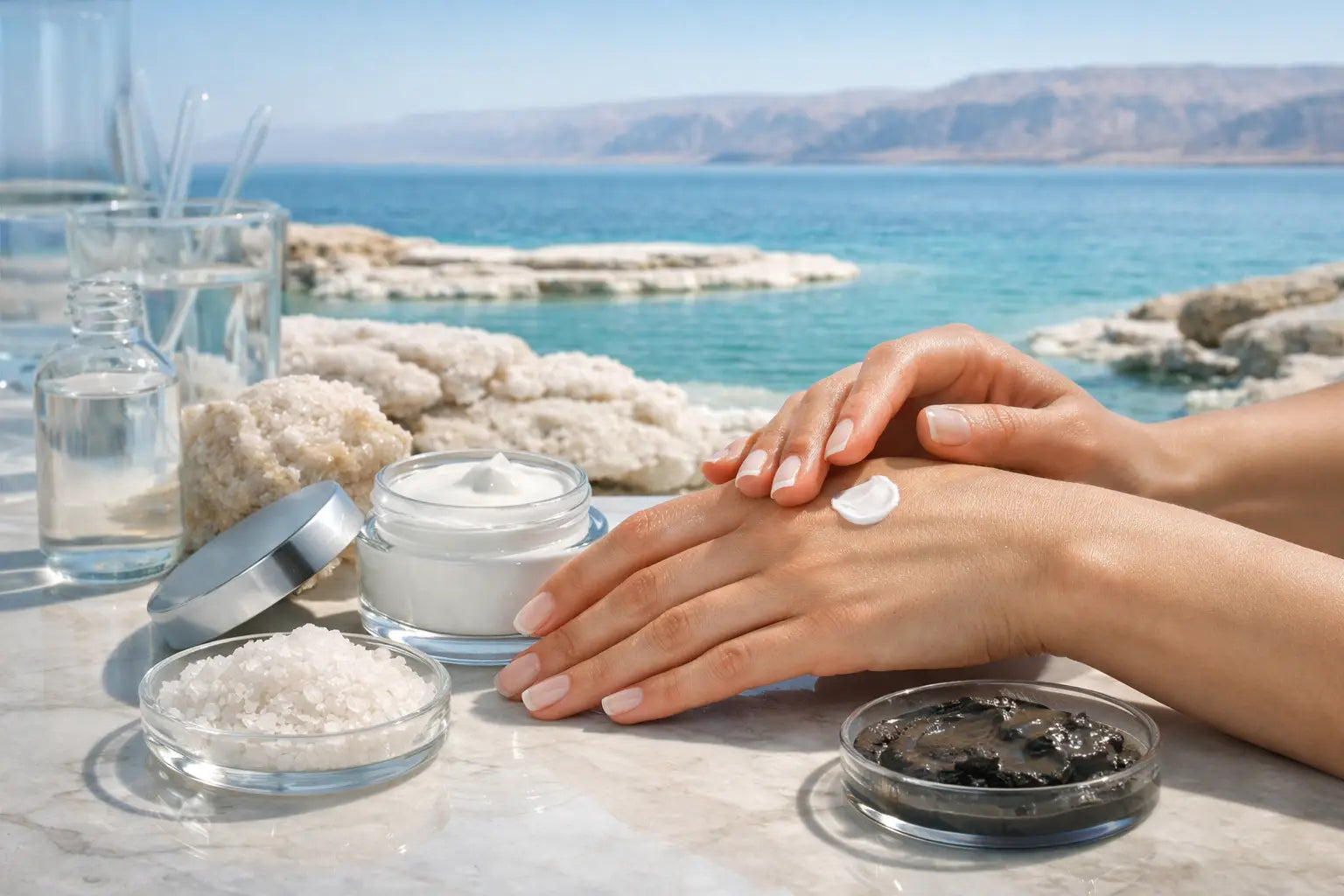
Dead Sea skincare is defined by an extraordinary natural environment. The Dead Sea contains a concentrated mineral composition, including magnesium, potassium, calcium, and bromide. In cosmetic formulations, Dead Sea mineral-rich water, salts, and mud are valued for their sensorial character and their ability to complement modern moisturizing ingredients.
For hands, this can translate into care that feels both replenishing and elegant. A thoughtfully formulated Dead Sea hand cream may help the skin feel softer and more supple, while reducing the immediate sensation of dryness that can follow washing or environmental exposure. Over time, regular use can support a smoother-looking texture and a more polished appearance across the backs of the hands, knuckles, and cuticles.
The distinction matters: Dead Sea minerals are not a substitute for a complete moisturizing system. Their cosmetic value is best realized when they are combined with ingredients that attract water to the skin, soften its surface, and help limit the feeling of moisture loss. This is where formulation science shapes the experience as much as mineral provenance does.
Why Hands Need a Different Kind of Moisture Care
The skin on the hands encounters a demanding routine. It is washed more often than most areas of the body, exposed to cleansers and water, and regularly subjected to contact with fabrics, devices, steering wheels, and surfaces. The backs of the hands also receive considerable incidental sun exposure over a lifetime.
These conditions can affect the appearance and feel of the skin barrier, the outermost layer that helps skin retain water and remain comfortable. When that surface is stressed, hands can look dull or feel rough even when the rest of the body feels well moisturized.
A quality hand cream should therefore do more than create temporary slip. It should leave enough nourishment behind to make a difference after the initial application, without feeling overly waxy, greasy, or difficult to use during the day. For many people, the best formula is one they are willing to apply repeatedly - after handwashing, before bed, and whenever their hands begin to feel dry.
The Mineral Story Meets Modern Formulation
Dead Sea ingredients bring identity and a distinctive sensorial dimension to hand care, but the full performance of a cream depends on the entire formula. Sophisticated hand creams typically combine several complementary categories of ingredients.
Humectants help draw moisture toward the outer layers of the skin. Emollients help soften and smooth the skin’s surface, improving the feel of rough areas. Occlusive ingredients form a light protective layer that can help reduce the sensation of moisture escaping after application. Botanical oils, butters, antioxidants, and skin-conditioning agents may also contribute to comfort and finish.
A mineral-rich cream that includes these elements can provide a more complete response to dry-looking hands than a simple, lightweight lotion. The goal is not heaviness. It is a cushion of care that absorbs well, leaves hands touchably soft, and maintains a comfortable feel between applications.
This balance is central to Premier’s approach to Dead Sea skincare: honoring the mineral heritage of the Dead Sea while applying advanced cosmetic research and formulation technology. In hand care, that means considering not only what is in the jar or tube, but also the texture, absorption, fragrance profile, and the way the skin feels minutes later.
Benefits Beyond Immediate Softness
The first benefit most people notice from a rich hand cream is immediate comfort. Skin feels less tight, and dry patches feel less pronounced. That is valuable, but it is only part of the reason to use hand cream consistently.
With continued use, a well-formulated cream can help hands maintain a smoother, more even-looking surface. This is especially relevant around the cuticles, along the sides of the fingers, and over the knuckles, where dryness can make texture appear more noticeable. A nourishing finish can also make hands look more rested and cared for, which matters when the hands are as visible as the face in daily life.
There is also a sensory benefit. A premium hand cream turns an ordinary pause in the day into a moment of care. The texture should feel considered: rich enough for comfort, yet refined enough to return to a keyboard, phone, or steering wheel without hesitation. Fragrance, if present, should enhance the ritual rather than compete with it.
How to Choose a Dead Sea Hand Cream
Not every product described as mineral-based will deliver the same experience. Look beyond a front-label claim and consider the complete formula, your skin’s needs, and when you plan to use it.
If your hands feel dry throughout the day, choose a cream with a medium-to-rich texture and apply it after washing. If you prefer a quick daytime application, a fast-absorbing formula may be more practical, provided it still leaves hands comfortable. At night, a richer cream can be especially welcome because there is more time for the formula to sit on the skin without interruption.
Those with fragrance preferences should also pay attention to the scent experience. A delicately fragranced cream can feel luxurious, while a fragrance-free or lower-fragrance option may be a better fit for people who prefer a more minimal routine. The ideal choice depends on your habits as much as your skin type.
Packaging is worth considering as well. A tube is convenient for a desk, handbag, or travel. A jar can make sense at a bedside table, where a more generous application becomes part of an evening ritual. What matters most is access: hand cream works best when it is within reach at the moment hands need it.
A More Effective Way to Apply It
Technique does not need to be complicated, but a few details can improve the experience. Apply hand cream while hands are clean and fully dry, then take a moment to massage it across the palms, backs of the hands, fingers, and knuckles. Do not overlook the cuticles and the spaces between the fingers, where dryness can be easy to miss.
After washing, apply a smaller amount rather than waiting until skin feels intensely dry. This frequent, light approach is often more comfortable during the day. Before bed, use a more generous layer and massage slowly from fingertips to wrists. Consistency is more valuable than an occasional large application.
If you spend significant time outdoors, hand cream should complement, not replace, daily sun protection on exposed skin. During colder months or in heavily air-conditioned spaces, you may simply need to apply more often. Skin care is responsive by nature, and hand care should adjust with the season, climate, and demands of the day.
Healthy-looking hands are not created by one dramatic treatment. They are shaped by small, repeated choices: gentle cleansing, thoughtful protection, and a cream that brings comfort without compromise. A mineral-rich formula can make that daily ritual feel more considered, helping the hands look as cared for as the rest of your skin.