Healthy Aging Skincare Trends That Truly Matter
The most meaningful healthy aging skincare trends are not about chasing a younger-looking face at any cost. They reflect a more informed standard: skin that appears hydrated, rested, even-toned, comfortable, and resilient over time. For many people, that means moving beyond aggressive routines and toward a considered approach that respects the skin barrier while addressing visible changes with precision.
This shift matters because skin does not age in a single way. Dryness, dehydration, uneven texture, dullness, fine lines, loss of firmness, and sensitivity can overlap, yet each calls for a different formulation strategy. The modern goal is Skin Longevity: supporting skin's healthy-looking vitality and quality through every stage of life.
Healthy Aging Skincare Trends: A Move Toward Resilience
For years, anti-aging messaging centered on correction. The newer, more sophisticated perspective centers on resilience. Rather than relying on a cycle of over-exfoliation followed by recovery, many routines now prioritize consistent hydration, barrier-conscious care, antioxidant support, and targeted treatments used at an appropriate frequency.
The skin barrier is central to this approach. Its outermost layers help limit moisture loss and protect the skin from environmental stressors. When that barrier is compromised, skin may feel tight, look dull, or become more reactive to products that were once well tolerated. A healthy aging routine therefore starts not with the strongest active ingredient, but with a formula that leaves skin feeling comfortable and well-supported.
This does not mean active skincare has lost its place. It means results are more likely to be sustainable when active formulas are balanced with hydration and replenishing care. A concentrated serum may be valuable for a particular concern, but it should fit into a routine that also includes a gentle cleanser, a supportive moisturizer, and daily sun protection.
Barrier Care Becomes the Foundation
Barrier-focused skincare has become one of the clearest signs of a more mature approach to beauty. The language varies - repair, replenishment, comfort, recovery - but the principle is consistent. Skin that holds moisture well tends to look smoother, more luminous, and less marked by fine dehydration lines.
Humectants, emollients, and occlusive ingredients each contribute differently. Humectants attract and bind water at the skin's surface. Emollients help soften and smooth the feel of roughness, while occlusive ingredients can reduce the feeling of moisture loss by forming a protective layer. A well-designed moisturizer often combines these functions rather than relying on one alone.
For dry or mature skin, richer textures can be especially helpful at night, when a more enveloping cream may support comfort after cleansing. Yet richer is not always better. Combination or oil-prone skin may prefer a lighter emulsion or gel-cream with a refined finish. The right texture is the one that encourages daily use without leaving skin overloaded.
Mineral-Rich Care Has a More Refined Role
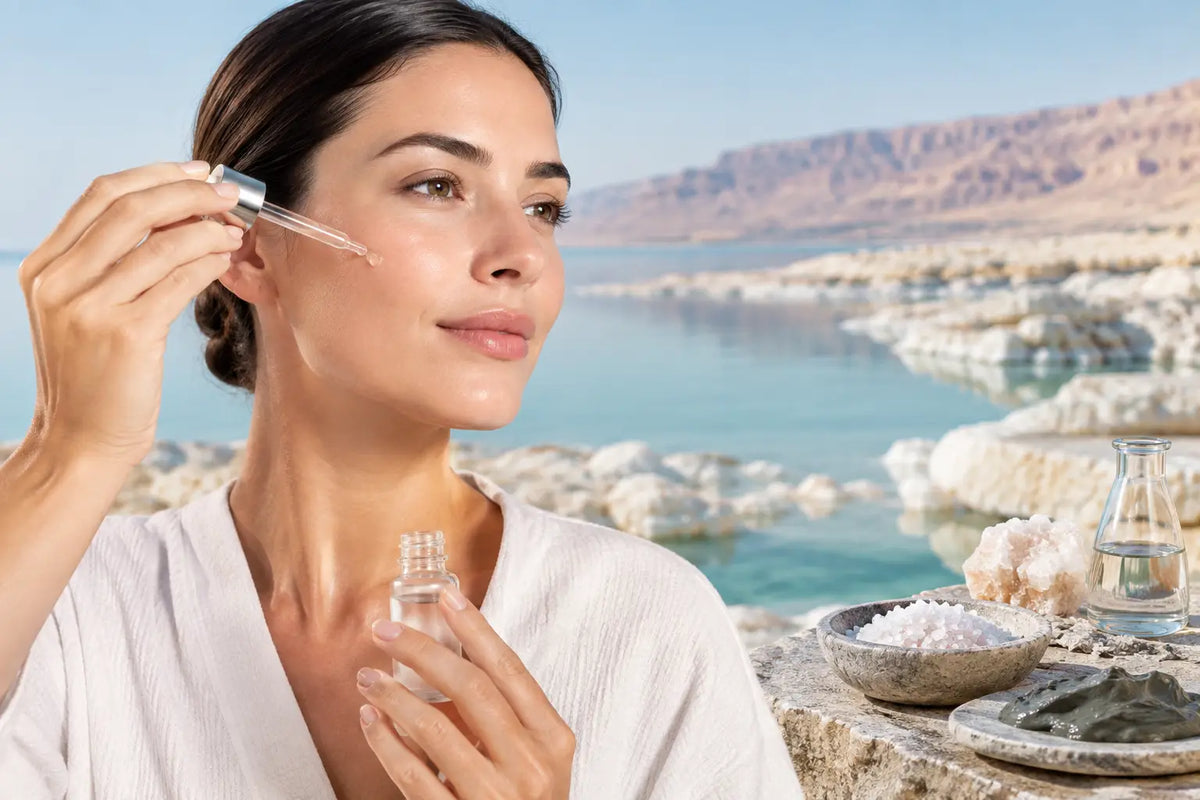
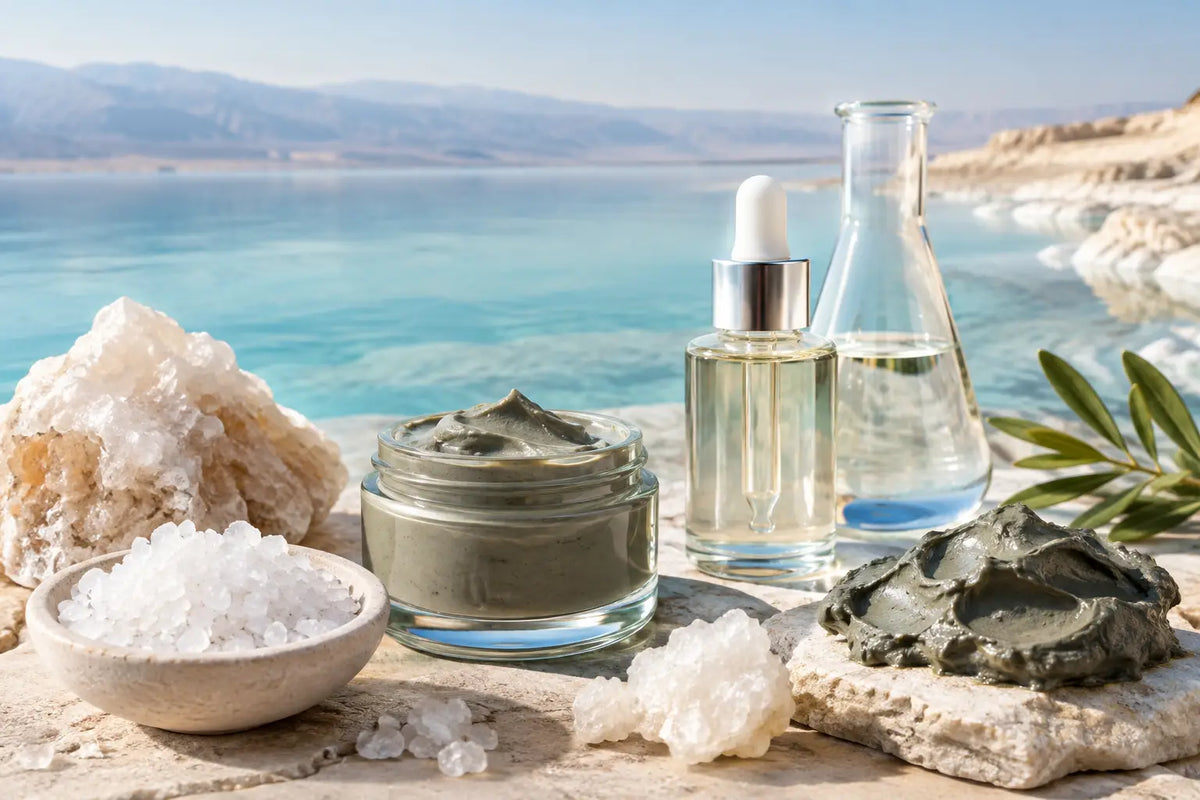
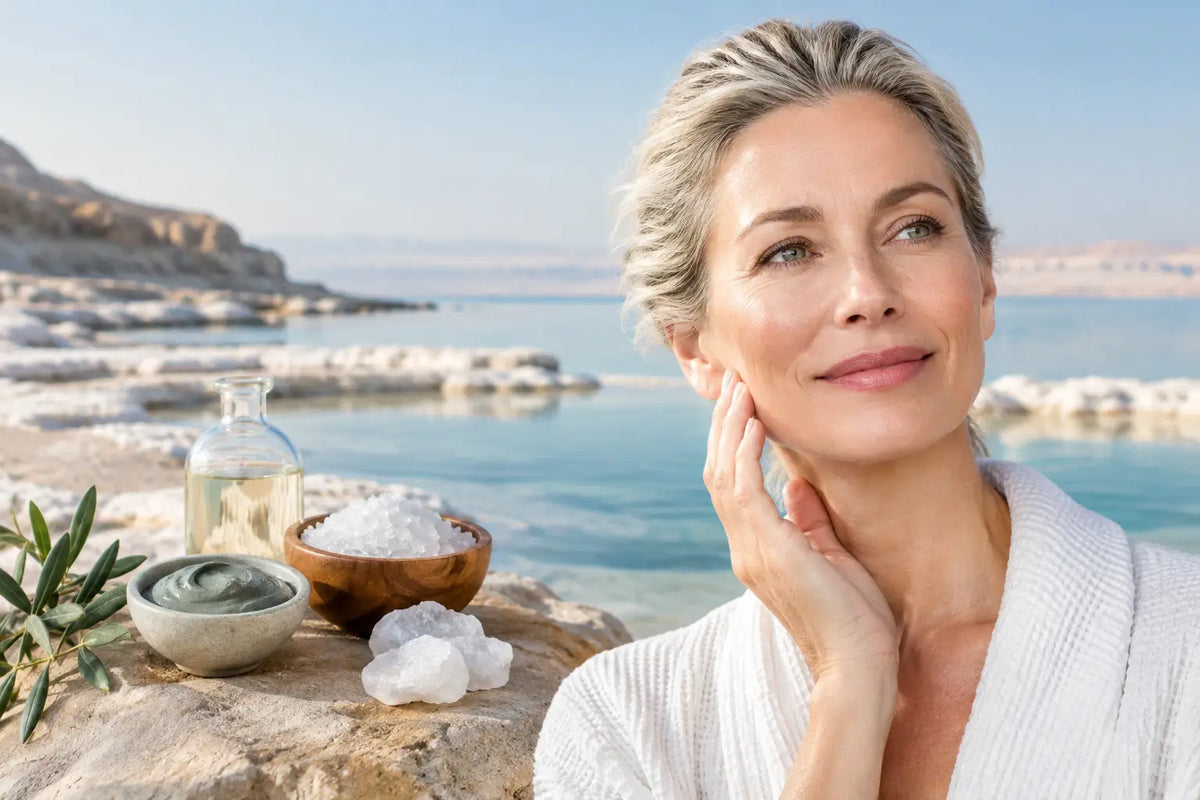
Minerals are gaining attention in healthy aging skincare trends because they bring a sense of provenance and purposeful formulation to routines increasingly focused on skin comfort and balance. Dead Sea minerals, mud, and salt have a particularly distinctive place in this conversation. Their composition has made the Dead Sea a longstanding source of cosmetic interest, and modern formulation technology allows these raw materials to be incorporated into elevated facial and body care.
A mineral-rich formula is not automatically right for every skin type or every moment. Salt-based products, for example, may feel too intense on skin that is freshly exfoliated, visibly irritated, or experiencing dryness. The value lies in thoughtful use: selecting a suitable product format, following directions, and paying attention to how skin responds.
Dead Sea mud treatments can be especially appealing when skin looks congested, fatigued, or uneven in texture. In a cosmetic setting, a mud mask offers a focused ritual that can leave the complexion looking freshly cleansed and refined. Mineral creams and serums, meanwhile, can bring the Dead Sea story into a daily routine designed around hydration and a more supple-looking finish.
With more than three decades of Dead Sea expertise, Premier Dead Sea reflects this meeting point of mineral heritage and modern cosmetic science, treating minerals not as a novelty but as part of a sophisticated Skin Longevity approach.
Fewer Products, Better Placement
The expansive 10-step routine has given way to a more selective mindset. Consumers are asking a better question: does every product have a clear role? A concise routine often makes it easier to identify what skin responds to and reduces the chance of layering incompatible or unnecessarily repetitive treatments.
A practical routine may include cleansing, a hydrating or targeted serum, moisturizer, and broad-spectrum sunscreen in the morning. Evening care can introduce a richer moisturizer, an eye treatment if desired, or a treatment product selected for individual needs. Masks, exfoliants, and at-home devices tend to work best as intentional additions rather than daily obligations.
This is where personalization matters. Someone concerned mainly with dryness may benefit more from a mineral-rich cream and hydrating mask than from frequent exfoliation. A person focused on uneven texture may choose a carefully introduced exfoliating product but scale back when the skin feels sensitized. Healthy aging is not a uniform protocol. It is a responsive practice.
The Return of the Treatment Ritual
Skincare is also becoming more tactile and ritual-led. This is not merely about luxury. Applying a mask with a soft brush, pressing a serum into damp skin, or taking time to massage in a cream can encourage consistency and greater awareness of changing skin needs.
At-home beauty technology fits this trend when it is used as a complement to skincare, not a substitute for it. Devices can add a sense of precision and ritual, but benefits depend on the device, the technique, frequency of use, and skin tolerance. Careful instructions matter. So does restraint: more intensity is not necessarily more effective for skin that is already dry or reactive.
The same principle applies to exfoliation. A polished complexion is desirable, but persistent tightness, stinging, or flaking is not a sign that a treatment is working harder. It is often a signal to simplify. Gentle, periodic exfoliation may suit some complexions, while others will do better with hydration-first care and a less frequent schedule.
Visible Aging Is Being Treated With More Realism
Another welcome shift is the move away from perfection. Healthy-looking skin can have expression lines, natural texture, and variations in tone. The aim is not to erase every sign of time, but to improve the qualities that make skin look well cared for: hydration, clarity, softness, radiance, and a more even surface appearance.
This perspective also makes sun protection non-negotiable. Daily broad-spectrum sunscreen is one of the most practical ways to support the appearance of even-toned skin over the long term. It belongs alongside, not beneath, premium serums and creams. Without consistent protection, the effort invested in a thoughtful routine is less well supported.
Lifestyle remains part of the picture, though skincare should not be burdened with promises it cannot make. Sleep, stress, climate, travel, hormonal shifts, and seasonal heating or air conditioning can all change how skin looks and feels. Adjusting texture and frequency in response is often wiser than abandoning a routine altogether.
How to Build a Skin Longevity Routine
Begin by identifying the skin concern that feels most immediate. If skin is uncomfortable or flaky, prioritize gentle cleansing and moisture support before introducing multiple treatment products. If dullness is the concern, consider hydration, daily sunscreen, and a periodic mask or exfoliant appropriate for your skin type. If firmness is the focus, maintain realistic expectations and favor consistent use of well-formulated products over frequent switching.
Give a new product time and introduce only one significant change at once. This makes it easier to understand whether a formula suits your skin. Patch testing can be sensible for anyone with sensitive or reactive skin, especially when trying a concentrated active, exfoliating treatment, or a new mineral-based product.
The strongest trend is ultimately discernment. Choose formulas with a clear purpose, honor the skin barrier, and make room for treatments that feel both effective and pleasurable to use. Skin changes over time, and a thoughtful routine should be allowed to change with it.