Best Mineral Cleansers for Dryness That Respect Skin
Dry skin rarely benefits from a more aggressive cleanse. Tightness immediately after rinsing, a dull surface, or the feeling that moisturizer disappears too quickly can all point to a cleansing step that removes more than the day’s impurities. The best mineral cleansers for dryness are designed around a different objective: lifting away sunscreen, makeup, excess oil, and urban residue while respecting the skin’s comfortable, supple feel.
For dry or mature-looking skin, cleanser choice matters more than it is often given credit for. It is the first formula to contact the complexion each day, and it can influence how receptive skin feels to the hydrating layers that follow. Mineral-based cleansing can be particularly compelling when it brings the heritage of Dead Sea minerals together with a modern, well-balanced cleansing system.
Why Dry Skin Needs a More Considered Cleanse
Cleansing depends on surfactants, the ingredients that help water disperse oil, sunscreen, and daily buildup. They are essential, but their type, concentration, and the formula surrounding them determine much of the experience. A cleanser that leaves skin feeling squeaky-clean may feel satisfying in the moment, yet that sensation is not necessarily a sign that dry skin has been well cared for.
Dryness and dehydration are related but distinct concerns. Dry skin generally lacks sufficient lipids at the surface, while dehydrated skin lacks water and may still produce visible oil. Both can look less luminous and feel uncomfortable after cleansing. A thoughtful cleanser cannot replace a cream or serum, but it can avoid making these concerns feel more pronounced.
This is why texture is not merely a matter of preference. Cream cleansers, milks, low-foam gels, and soft cleansing emulsions are often easier for dry skin to tolerate than highly foaming formats. The right choice still depends on what must be removed. Someone wearing water-resistant sunscreen and complexion makeup may prefer a two-step evening cleanse, while a light morning cleanse may require very little surfactant activity.
What Makes the Best Mineral Cleansers for Dryness Different
A mineral cleanser is not automatically gentle simply because minerals appear on its ingredient list. The complete formula matters: its surfactants, pH, fragrance level, texture, rinse profile, and supporting humectant or emollient ingredients. For dryness, the most refined options balance these elements rather than relying on one headline ingredient.
A mild cleansing base
Look for a cleanser that feels creamy, cushiony, or lightly emulsifying in the hands and rinses without leaving the complexion taut. Low foam can be a useful sign for many dry-skin routines, although foam itself is not inherently unsuitable. A gentle foam made with a well-designed surfactant blend may work beautifully, particularly for those who prefer a fresher rinse.
The most useful test is sensory and visible: after patting skin dry, it should feel clean but not stripped. If you feel compelled to apply moisturizer immediately because your skin feels uncomfortable, the cleanser may be too intensive for your regular use.
Dead Sea mineral provenance
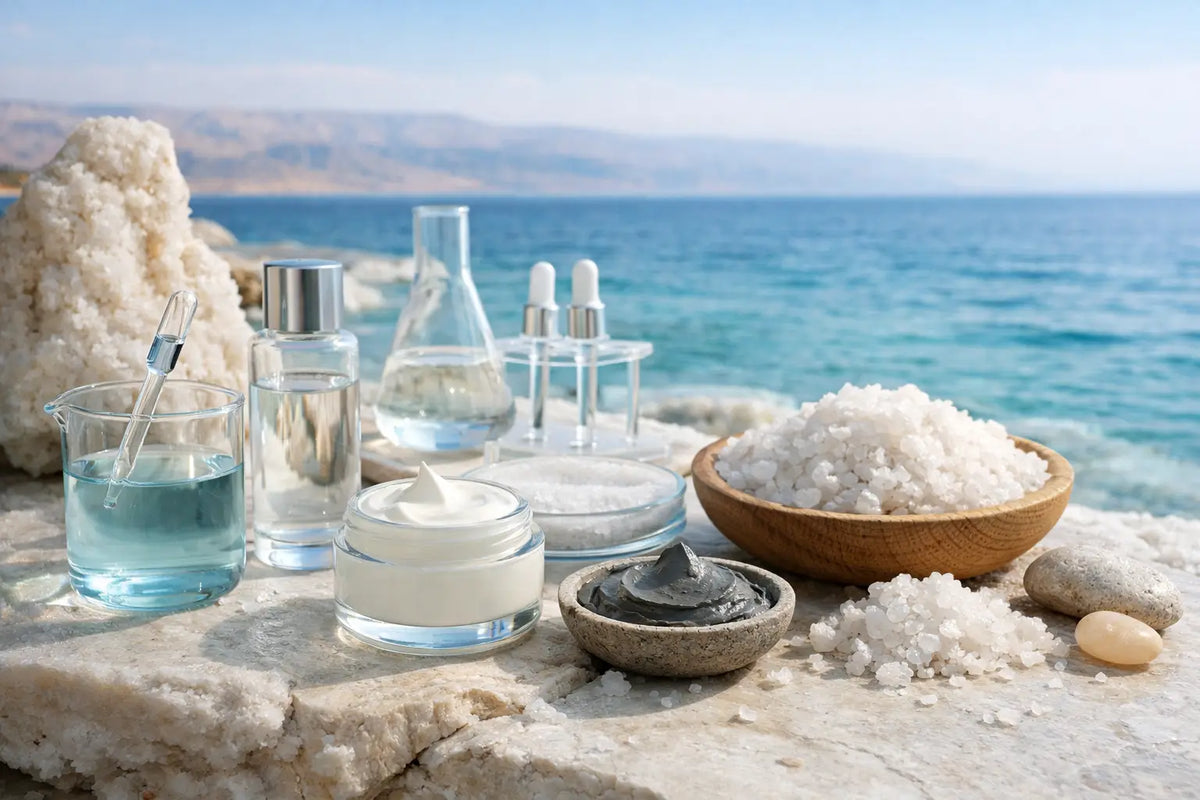
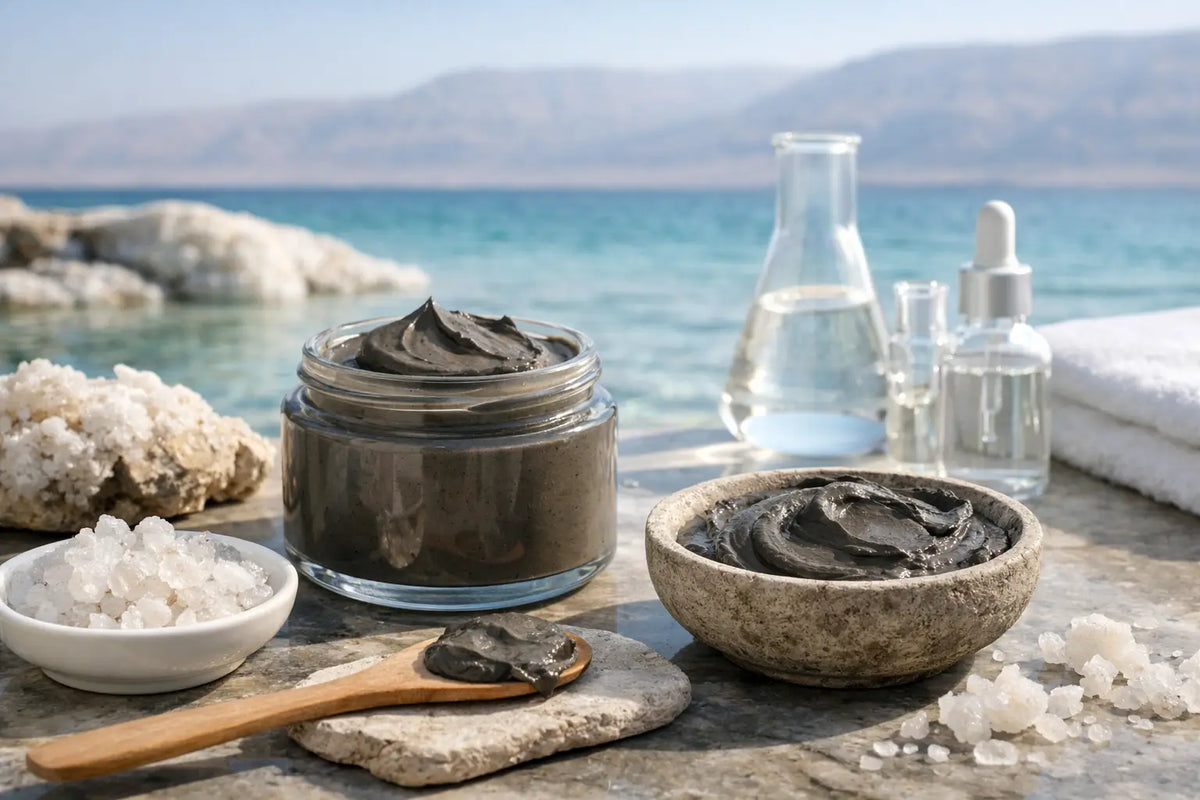
The Dead Sea is distinguished by a concentrated mineral composition that includes magnesium, potassium, calcium, sodium, and other naturally occurring salts. In sophisticated skincare, these minerals can be incorporated into formulas for their distinctive heritage and skin-conditioning character. They also bring a sensory dimension that connects modern cleansing to one of the world’s most recognized mineral environments.
A rinse-off cleanser has limited contact time, so it is sensible to keep expectations precise. Minerals in a cleanser are best viewed as part of a complete formulation philosophy, not as a replacement for leave-on hydration or barrier-supporting care. Their value is strongest when paired with a gentle cleansing base and a routine that continues with suitable serum and moisturizer layers.
Ingredients that support a comfortable finish
For dry skin, mineral extracts or salts are especially welcome alongside humectants, such as glycerin, which help draw water to the skin’s surface, and emollient ingredients that leave a softer after-feel. Plant oils, esters, and creamy emulsion systems may also contribute to comfort, depending on the formula.
Fragrance deserves individual consideration. A refined scent can elevate a cleansing ritual, but highly reactive or easily sensitized skin may prefer a fragrance-free option. Luxury and restraint are not opposites. The most intelligent routine is one that feels pleasurable enough to maintain and calm enough for skin to accept consistently.
Choose the Texture That Fits Your Routine
For very dry, tight-feeling skin, a cleansing milk or cream is often the natural starting point. These textures tend to minimize friction and can be massaged over dry or damp skin before rinsing with lukewarm water. They are particularly appealing in colder months, when indoor heating and low humidity can make the complexion feel less comfortable.
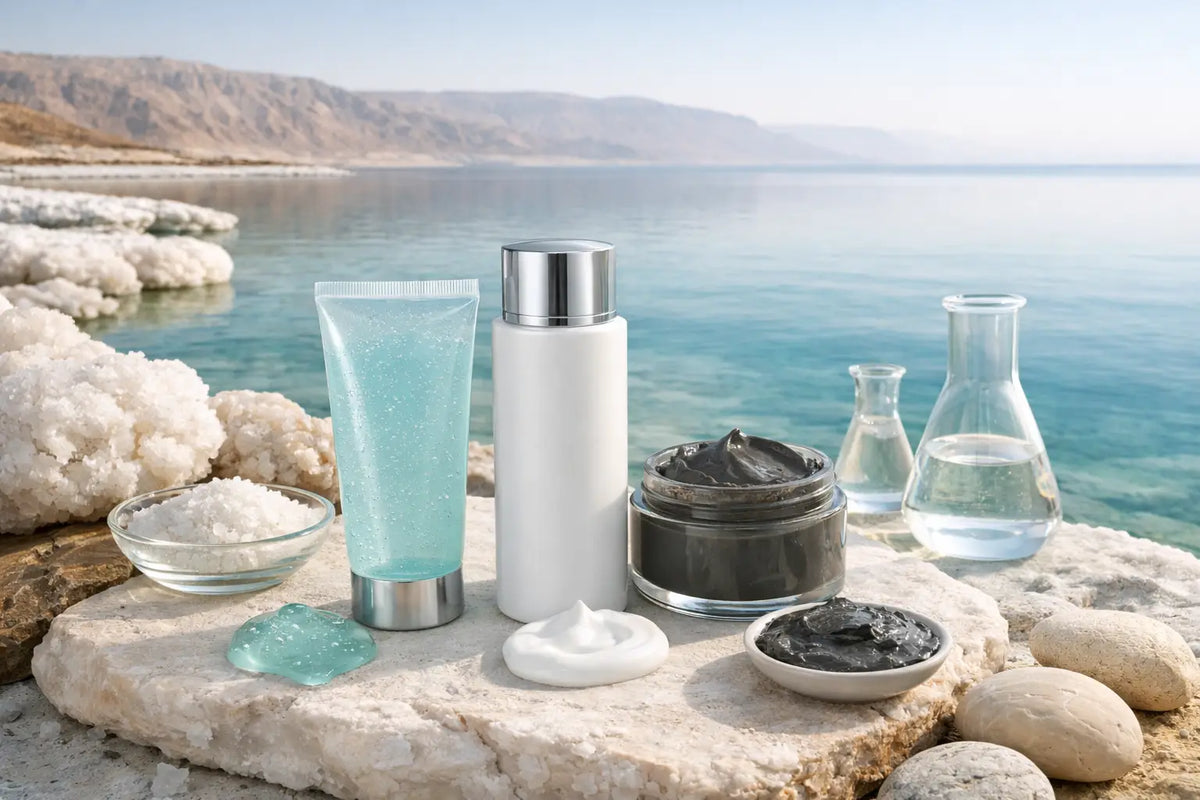
A low-foam mineral gel may be better for combination skin that experiences dehydration but also wants a more thorough-feeling rinse, especially around the T-zone. In this case, the goal is not to eliminate all oil. It is to remove daily residue without leaving the cheeks feeling depleted.
Micellar-style cleansing waters can be convenient for a first pass over makeup or for a quick morning cleanse, but dry skin often benefits from rinsing afterward. The final water rinse helps remove the cleansing agents left on the surface and creates a clean canvas for the rest of the routine.
Cleansing balms and oils can be valuable in the evening, particularly for long-wear sunscreen or makeup. Follow with a gentle mineral cleanser only if a second cleanse feels necessary. If skin is already dry, repeating a strong cleanse just for the sake of a double-cleanse routine can be counterproductive.
Technique Matters as Much as the Formula
Even the most elegant cleanser can feel less comfortable when used with overly hot water, a rough washcloth, or vigorous rubbing. Lukewarm water is usually the more considered choice. Massage with fingertips for roughly 30 seconds, then rinse thoroughly and pat rather than scrub with a towel.
Apply your next hydrating product while skin is still slightly damp. This simple sequence helps transform cleansing from a reset that leaves skin exposed into the opening step of a well-composed ritual. A humectant-focused serum followed by a nourishing moisturizer is a logical pairing when dryness is persistent.
Frequency should also reflect your skin and lifestyle. Evening cleansing is valuable for removing the day’s sunscreen and pollutants. In the morning, some dry-skin routines may be better served by a brief water rinse or an exceptionally mild cleanser. There is no prize for using more cleanser than your complexion needs.
How to Assess a Mineral Cleanser Before Committing
Start by reviewing the formula’s intended texture and cleansing claim rather than focusing only on prominent mineral language. Then consider what you wear daily, your climate, and how your skin behaves after washing. A product that is ideal for dry skin in a humid summer may not feel sufficient during winter travel or in a heavily air-conditioned environment.
Give a new cleanser several days of consistent use before judging it, unless it causes clear discomfort. Watch for a calmer, softer post-cleanse feeling, not a dramatic overnight change. The right cleanser should make the rest of your routine feel easier: serums spread more comfortably, moisturizer feels more supportive, and the complexion appears less stressed by the end of the day.
Premier Dead Sea approaches mineral skincare through this balance of Dead Sea heritage and modern formulation science. For dryness, that balance is the standard worth seeking: a cleanser that respects the character of the minerals while giving the skin a gentle, polished beginning and end to every day.