How to Choose a Facial Mask for Dull Skin
Dullness rarely has a single cause. It can reflect a buildup of dead surface cells, dehydration, a disrupted-looking texture, environmental exposure, or simply skin that needs a more considered pause in its routine. The right facial mask for dull skin can provide that reset: a focused treatment that helps skin look smoother, more hydrated, and visibly refreshed.
For mature or dry-prone skin especially, the goal is not to chase instant brightness with aggressive exfoliation. It is to support a more even, comfortable, light-reflective appearance through a balanced combination of exfoliation, hydration, and mineral-rich care.
Why Skin Can Start to Look Dull
Healthy-looking skin reflects light relatively evenly. When its surface becomes rough, dry, or covered by a lingering layer of dead cells, light scatters instead. The complexion may appear flat, tired, or less uniform, even when there is no obvious irritation.
Cell turnover naturally changes over time, which is one reason dullness often becomes more noticeable with age. Daily factors matter too. Dry indoor air, sun exposure, cleansing that is too stripping, inconsistent hydration, and accumulated makeup or sunscreen residue can all affect the look and feel of the skin’s surface.
Dullness is also not always the same as dryness. Dry skin may feel tight or flaky, while dehydrated skin can look lackluster and feel less comfortable regardless of skin type. An oily complexion may appear dull when excess oil, impurities, and dead cells collect at the surface. A well-chosen mask should address the skin’s current condition without leaving it feeling depleted.
What a Facial Mask for Dull Skin Should Do
A mask is not a substitute for daily cleansing, sunscreen, moisturizer, or a carefully chosen serum. Its value lies in the treatment format: it allows selected ingredients to remain on the skin for a dedicated period, supporting a particular cosmetic result such as surface refinement, hydration, or a clearer-looking complexion.
For dull skin, look for a formula designed to do one or more of the following: gently loosen the look of accumulated surface cells, replenish moisture, improve the feel of rough texture, or absorb excess surface oil without creating unnecessary dryness. The best choice depends on what is behind the dullness.
A clay or mud mask may be useful when the complexion feels congested, oily, or uneven in texture. A cream or gel mask is often more appropriate when dullness is paired with dryness, tightness, or fine-looking dehydration lines. Exfoliating masks can help renew the appearance of the surface, but they require restraint, particularly if other active products are already part of the routine.
The value of Dead Sea mud and minerals
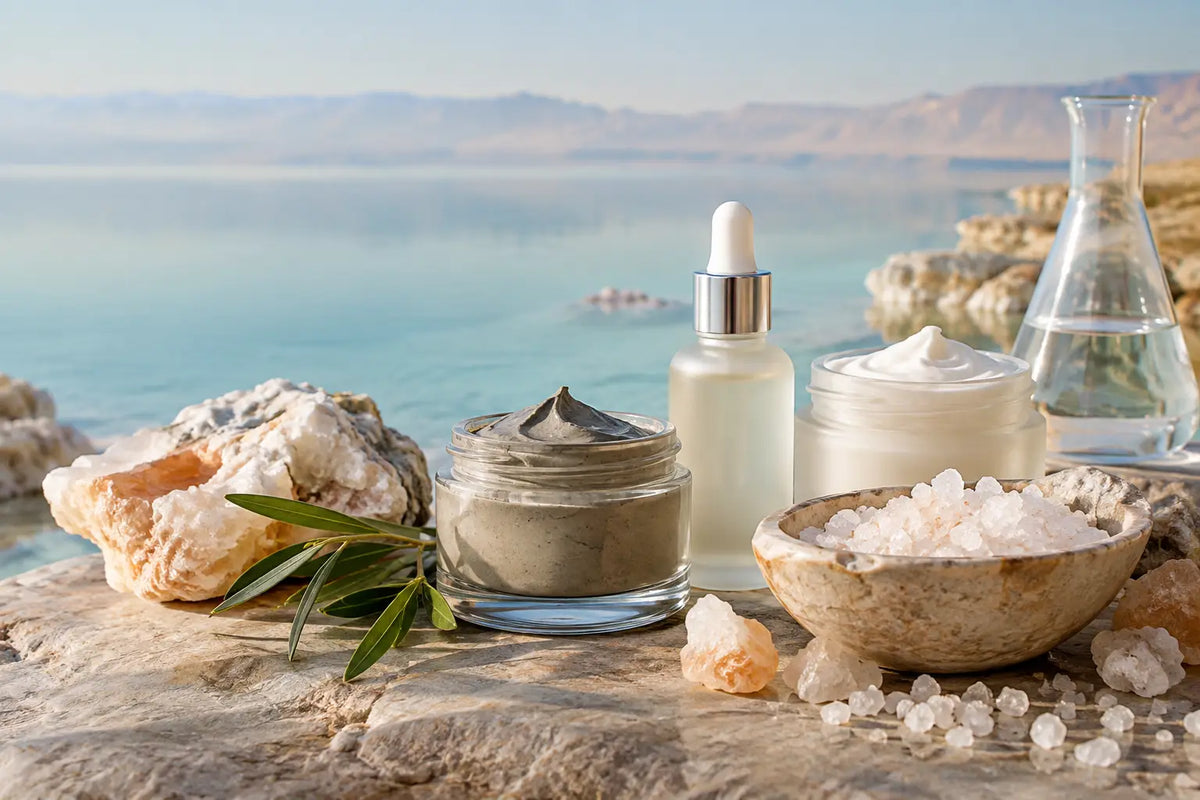
Dead Sea skincare brings a distinctive mineral perspective to masking rituals. The waters and mud of the Dead Sea contain a notable concentration of minerals, including magnesium, potassium, calcium, and bromide. In cosmetic formulas, these mineral-rich materials are valued for their sensorial character and their ability to complement cleansing, conditioning, and comfort-focused skincare routines.
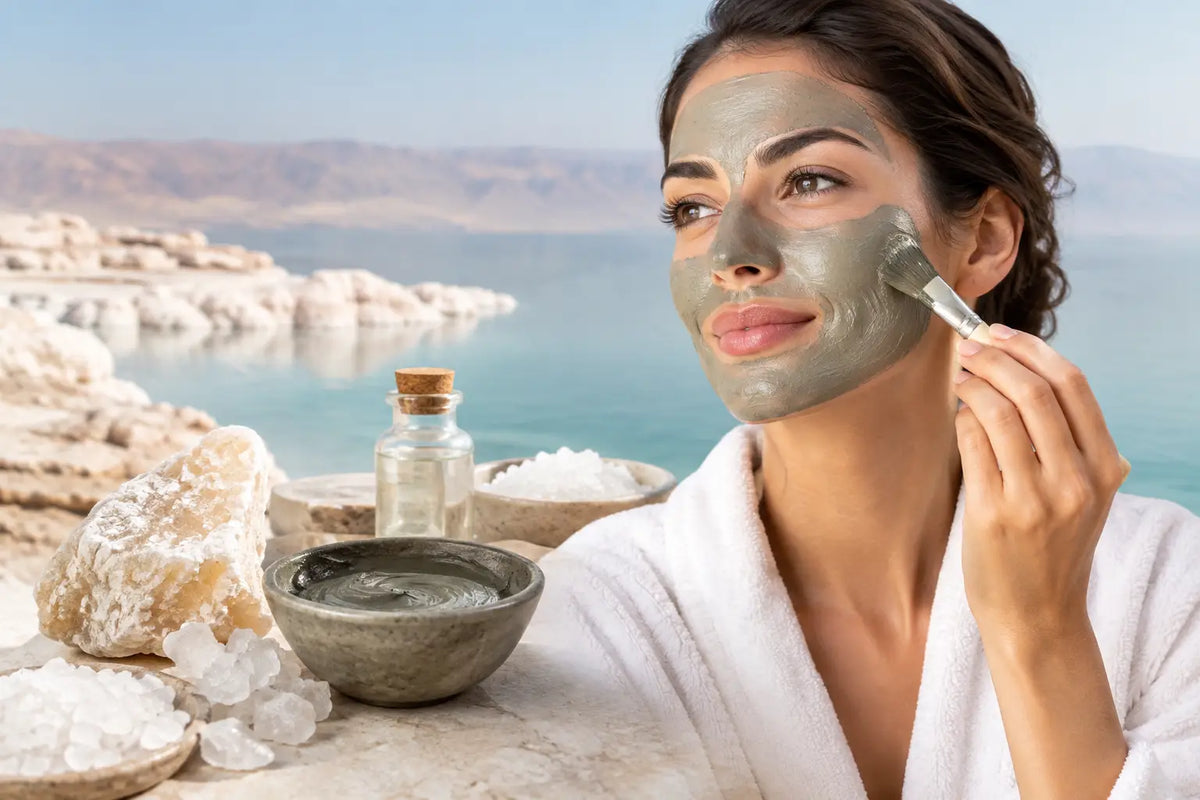
Dead Sea mud is especially well suited to masks because of its naturally dense, creamy texture. It can help lift away the look of excess oil and daily buildup while delivering the satisfying, refined experience associated with a traditional mineral treatment. Its benefit is not that it should leave the skin feeling stripped. A sophisticated mud mask should rinse away cleanly and leave the complexion looking polished rather than parched.
Mineral-rich formulations can be particularly appealing when dullness is accompanied by an uncomfortable or fatigued-looking complexion. Paired with humectants, emollients, and soothing cosmetic ingredients, they create a treatment that feels both purifying and replenishing.
Choose the Mask Texture That Matches Your Skin
The most effective facial mask for dull skin is not necessarily the strongest one. It is the one that respects the condition of your skin on the day you use it.
If your skin feels dry, tight, or papery, prioritize a creamy moisture mask or a mineral mask formulated with conditioning ingredients. Look for humectants such as glycerin or hyaluronic acid, which help attract water to the surface layers of the skin, alongside emollients that support a softer feel. Avoid relying on frequent clay treatments alone if you are already experiencing visible dryness.
If your skin is oily or combination and looks lackluster around the forehead, nose, and chin, a mineral mud or clay-based mask can be a thoughtful weekly treatment. Apply it evenly, but do not feel obligated to use the same mask everywhere. Multi-masking, such as a purifying mask through the T-zone and a hydrating formula over drier areas, can be more precise than treating the entire face identically.
If roughness and uneven texture are the main concerns, a gentle exfoliating mask may help reveal a smoother-looking surface. Chemical exfoliants, such as alpha hydroxy acids or polyhydroxy acids, can be effective options in well-formulated products. However, stronger is not better. Do not combine an exfoliating mask with a scrub, retinoid, or another acid treatment in the same evening unless the product instructions and your skin’s tolerance clearly support it.
How Often Should You Use a Mask?
For most people, one or two mask sessions a week is sufficient. A hydrating mask may be used more frequently if the formula is gentle and the skin responds well, while exfoliating and deep-cleansing treatments generally call for a more measured schedule.
Pay attention to what your skin communicates after rinsing. A fresh, comfortable finish is a positive sign. Persistent tightness, stinging, redness, or flaking suggests that the formula, frequency, or treatment time should be adjusted. Leaving a clay or mud mask on until it becomes extremely dry and cracked is rarely necessary and may be uncomfortable for dry or sensitive skin.
Consistency matters more than intensity. A calm, regular ritual is more likely to improve the appearance of dullness over time than an occasional overly aggressive treatment.
A More Effective Masking Ritual
Start with clean skin. Removing makeup, sunscreen, and surface debris allows the mask to sit evenly and gives its texture and ingredients room to perform as intended. Apply a moderate, even layer, avoiding the immediate eye area unless the product is made for it.
Use the recommended treatment time rather than extending it in search of a stronger result. Then rinse with lukewarm water and a soft cloth if needed, without rubbing. Follow with a hydrating serum or moisturizer while the skin still feels fresh. During the day, broad-spectrum sunscreen remains essential, particularly if you use exfoliating treatments, because a well-protected complexion is better positioned to retain a more even, luminous appearance.
For an elevated at-home ritual, consider the mask as one part of Skin Longevity care rather than an emergency response to a tired-looking complexion. This means choosing treatments that support comfort, texture, and hydration consistently, while avoiding cycles of over-treatment and recovery.
Ingredients and Habits That Can Work Against Radiance
A mask cannot fully compensate for a routine that regularly leaves skin feeling stripped. Very hot water, harsh cleansing, frequent physical scrubbing, and the casual layering of multiple exfoliating products can compromise the comfortable, smooth finish many people are trying to achieve.
Fragrance and essential oils are not automatically unsuitable, but those with sensitive skin should introduce any new mask carefully. Patch testing is sensible, particularly with active exfoliants or richly fragranced formulas. If irritation persists or you have a skin concern requiring clinical guidance, consult a dermatologist.
Premier Dead Sea approaches masks through this balance of natural mineral heritage and modern cosmetic formulation: treatments should feel sensorially luxurious while remaining purposeful within a complete skincare routine.
The most rewarding masking ritual leaves more than a temporary glow. It gives the complexion a chance to feel comfortable, look smoother, and reflect the thoughtful care placed into it.