How to Choose Night Cream for Lasting Comfort
By evening, skin has faced a full day of temperature changes, cleansing, sun exposure, makeup, air conditioning, and environmental dryness. Knowing how to choose night cream is less about finding the richest jar on the shelf and more about selecting a formula that supports your skin's comfort, moisture balance, and resilient appearance while you rest.
A well-chosen night cream can help skin look smoother, feel softer, and appear more refreshed by morning. The right choice depends on your skin type, current concerns, the active ingredients already in your routine, and the climate around you. For many complexions, the ideal formula is not necessarily heavier. It is one that delivers the right balance of hydration, nourishment, and barrier-supporting care without leaving skin congested or uncomfortable.
Start With What Your Skin Needs at Night
Nighttime is when many people prefer a more comforting skincare texture, partly because there is no need to layer sunscreen or makeup over it. Yet night cream should still respond to your individual skin condition rather than a universal idea of what nighttime care should feel like.
Dry or mature-looking skin often benefits from a cream with emollients and replenishing lipids that soften roughness and help reduce the feeling of tightness. Look for textures that leave a protective, comfortable finish, especially if your skin becomes more reactive to cold weather or indoor heating.
Dehydrated skin, which can affect every skin type, needs water-binding ingredients as well as a formula that helps limit moisture loss. Dehydration may show up as dullness, fine surface lines, or makeup that settles unevenly, even when the skin also produces oil. In this case, a light cream or gel-cream with humectants may be more suitable than a dense balm.
If skin is oily or prone to congestion, avoid assuming that night cream is unnecessary. Cleansing, exfoliation, and environmental exposure can leave oily skin dehydrated. Choose a refined, non-greasy texture and introduce it gradually. The goal is comfortable hydration, not a heavy coating that feels excessive by morning.
Sensitive-feeling skin calls for restraint. A shorter routine and a cream designed around moisture support and soothing comfort may be preferable to a formula crowded with multiple intensive actives. When skin is visibly irritated or persistently uncomfortable, simplify the routine and seek individualized guidance from a qualified skincare professional.
How to Choose Night Cream by Texture and Season
Texture is not merely a sensorial preference. It influences whether you will use the cream consistently and whether it suits your skin through changing seasons.
A lightweight lotion or gel-cream can be an excellent choice for combination skin, humid climates, or anyone who dislikes a coated finish. A classic cream often suits normal, dry, or mature-looking skin, offering greater softness and a more enveloping feel. Rich balms are generally best reserved for very dry skin or targeted use on areas such as the neck, cheeks, and hands.
Your choice may change over the year. A cream that feels perfect in summer can become insufficient in winter, particularly in dry indoor environments. Rather than replacing every step of your regimen, consider adjusting your final moisturizing layer. This approach keeps the routine measured while allowing it to respond to seasonal changes.
Read the Formula, Not Just the Front Label
Terms such as “renewing,” “nourishing,” and “overnight” can be useful descriptions, but the ingredient list and formula category offer more practical information. A thoughtful night cream often combines several types of ingredients that work together on the skin's surface.
Humectants, such as glycerin and hyaluronic acid, attract and hold water in the upper layers of skin. They are particularly useful when skin looks temporarily dehydrated or feels tight after cleansing. Emollients, including certain plant oils, fatty alcohols, and esters, help improve softness and smooth the feel of dry texture. Occlusive ingredients create a light protective layer that helps reduce transepidermal water loss, making them valuable for dry skin when used in an appropriate texture.
For visible signs of aging, look beyond a single headline ingredient. Antioxidants can help support a more luminous appearance, while peptides and carefully formulated retinoid products are often chosen to address the look of fine lines, uneven texture, and reduced firmness. However, more active ingredients do not automatically mean better results. A strong treatment paired with an overly rich or sensitizing cream can make a routine harder to maintain.
If you use retinoids, exfoliating acids, or other targeted treatments, choose a night cream that emphasizes moisture and comfort rather than adding another layer of potentially intensive actives. Introduce one change at a time. This makes it easier to understand what your skin responds to well.
Consider the Role of Dead Sea Minerals
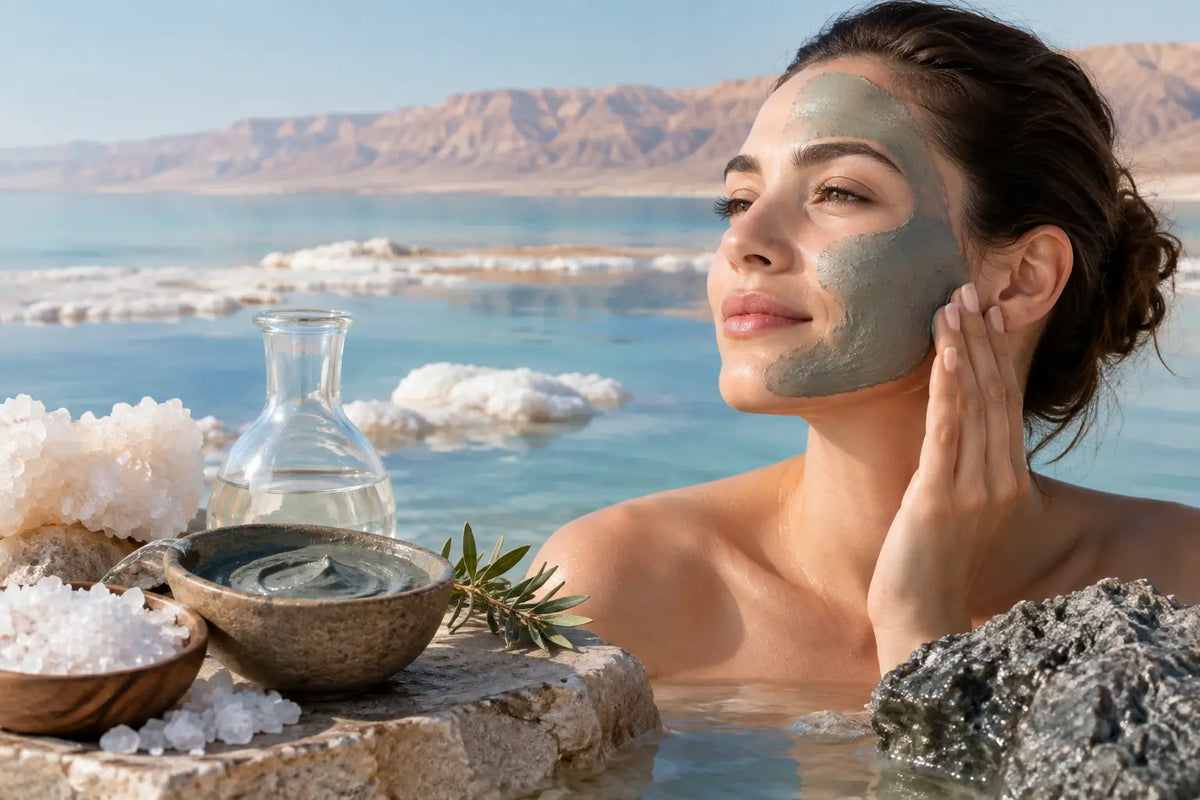
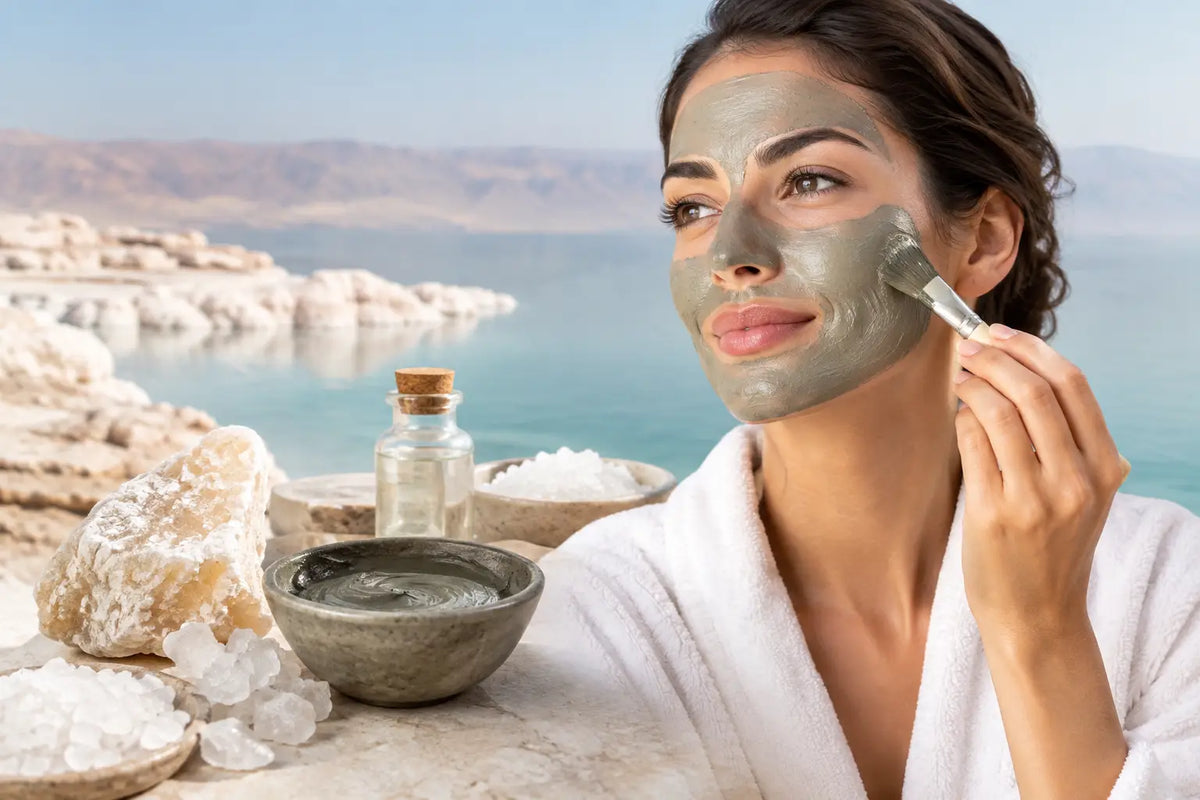
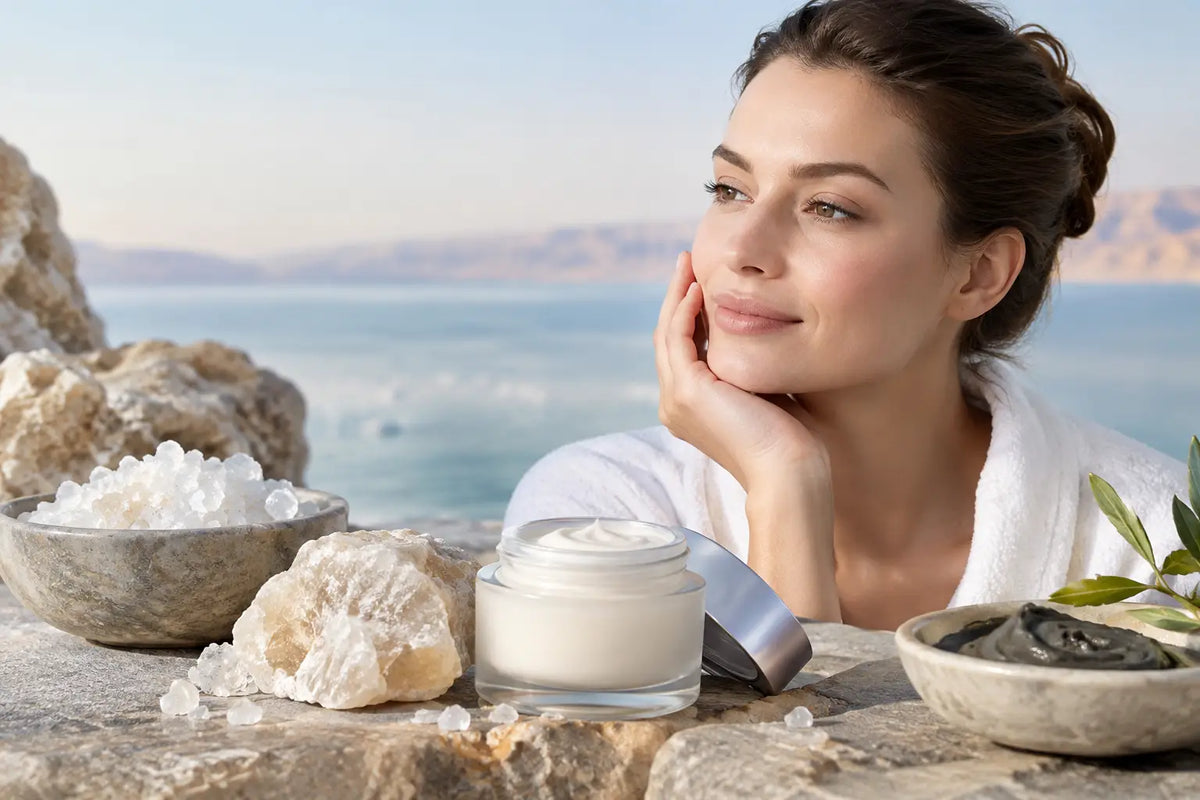
Mineral-rich skincare can bring a distinctive dimension to nighttime care. Dead Sea minerals, including magnesium, potassium, calcium, and sodium, are valued in cosmetic formulations for their sensorial and skin-conditioning properties. In a well-designed cream, they can complement humectants, botanical extracts, and modern moisturizing ingredients to create a refined, replenishing experience.
The source and formulation matter. Raw mineral content alone does not determine a product's performance. The quality of the ingredients, their concentration, the surrounding formula, and the product's texture all shape how a cream feels and functions on skin. This is where expertise in mineral science and cosmetic formulation becomes meaningful.
Premier Dead Sea has built its skincare approach around this balance: the heritage of Dead Sea minerals, mud, and salt combined with contemporary formulation research. For consumers drawn to mineral skincare, a night cream is a particularly natural place to explore that combination, as it can offer a more cocooning final step without complicating the daytime routine.
Match Night Cream to Your Existing Routine
A night cream does not need to do every job. Its most valuable role is often to support the products beneath it and leave skin feeling comfortable through the night.
After cleansing, apply water-based treatments first, then serums, then your cream. If you use a facial oil, it can be applied before or mixed with your moisturizer depending on the product directions and your preferred finish. The order matters less than avoiding excess layers that pill, feel heavy, or discourage regular use.
Pay attention to ingredient overlap. A night cream containing exfoliating acids may be unnecessary on the same evening as an acid serum. A retinoid-rich moisturizer may not be the ideal companion for a separate retinoid treatment. Alternating targeted products on different nights is often a more considered strategy than combining everything at once.
The eye area also deserves a lighter touch. Bring a suitable moisturizer gently to the orbital bone unless a product is specifically designed for closer application. Avoid rubbing, especially if skin around the eyes feels dry or delicate.
Give the Cream a Fair Trial
A night cream should feel good immediately, but its broader cosmetic benefits are best judged over several weeks of consistent use. Look for practical signs: skin that feels less tight after cleansing, a smoother-looking surface, improved softness, and makeup that applies more evenly in the morning.
Patch testing is sensible when trying a new formula, particularly if your skin is sensitive or you have a history of reactions. Apply a small amount to a discreet area as directed, and avoid introducing several unfamiliar products in the same week. If a product causes ongoing stinging, redness, or discomfort, discontinue use.
The best night cream is not defined by the most elaborate claim or the heaviest texture. It is the formula you can return to each evening because it respects what your skin needs now, while supporting the healthy-looking, rested complexion you want to see over time.