How to Apply Neck Cream for Lasting Comfort
The neck often reveals small changes in skin comfort and texture before the face does. It is regularly exposed to sunlight, fragrance, friction from clothing, and the repeated movements of daily life, yet it is easily overlooked in a skincare routine. Learning how to apply neck cream is less about a complicated massage ritual and more about applying a suitable formula consistently, with a light touch and enough attention to the upper chest.
Why the Neck Needs Its Own Skincare Approach
The skin of the neck and décolleté can feel more vulnerable to dryness than other areas, particularly when cleansing routines, active facial treatments, or changing weather leave the skin feeling tight. While skin varies from person to person, this area may have fewer oil-producing glands than the face and is subject to frequent bending, turning, and contact with fabrics.
A well-formulated neck cream can help maintain a comfortable, hydrated, and supple-looking appearance. The most useful formulas generally combine water-binding ingredients, such as glycerin or hyaluronic acid, with emollients and skin-conditioning lipids that soften the surface and help reduce moisture loss. Antioxidants and carefully selected botanical or mineral-derived ingredients may also complement a broader Skin Longevity routine focused on supporting skin's healthy-looking resilience over time.
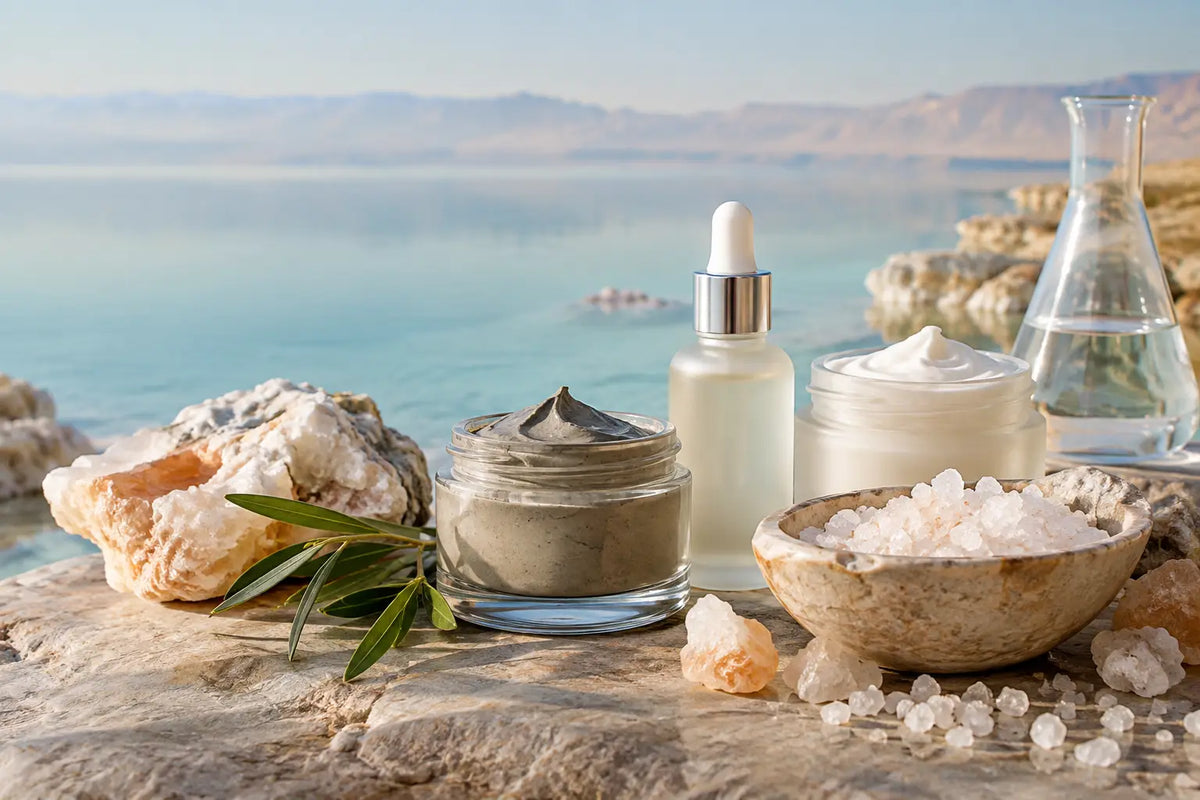
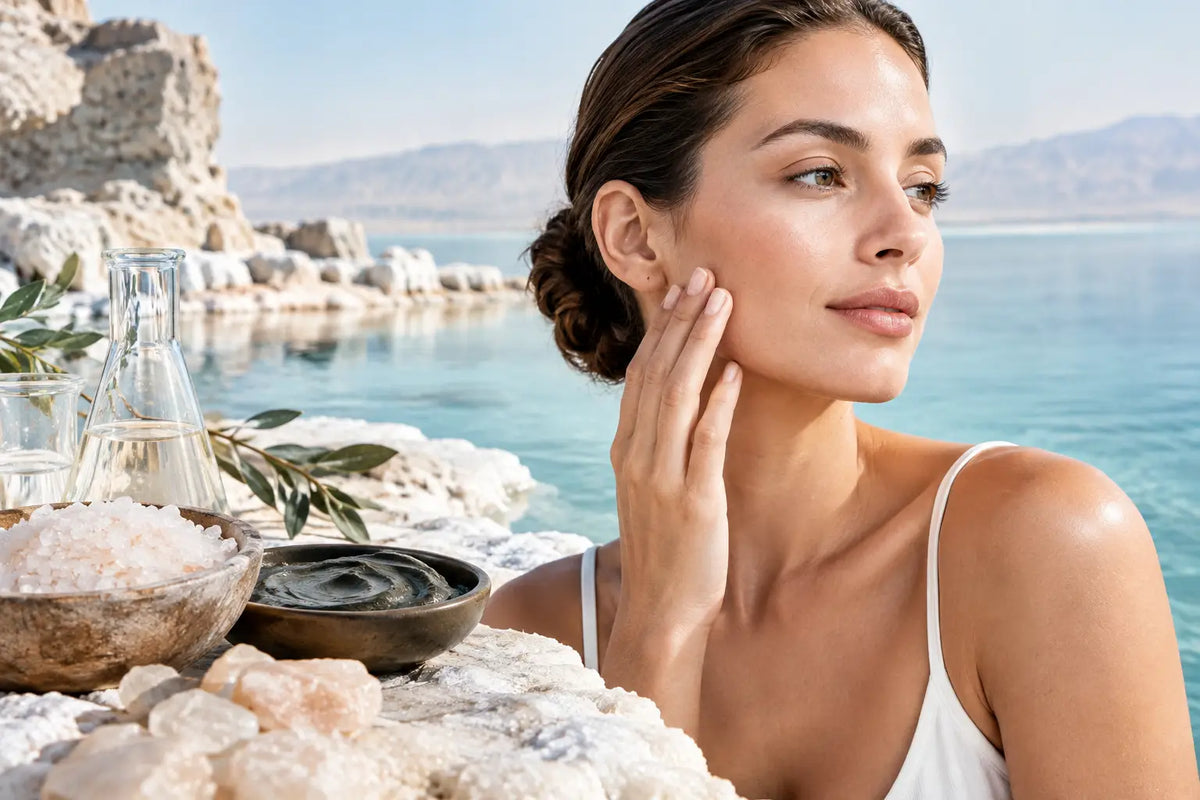
Dead Sea minerals are particularly relevant in this context. In cosmetic formulations, mineral-rich ingredients can contribute to a sensorially rich treatment experience while supporting the skin's conditioned, refreshed appearance. Their value lies not in a dramatic overnight transformation, but in their role within thoughtful formulas designed for regular care.
How to Apply Neck Cream Correctly
Apply neck cream after cleansing and after any lightweight treatment products, such as a water-based serum. If you use a facial serum on your neck, choose one that feels comfortable there and introduce potent exfoliating or retinoid-based products cautiously. The neck can be less tolerant of strong formulas than the face.
Use your neck cream before sunscreen in the morning. At night, it should typically be one of the final leave-on steps, applied after serums and before any facial oil you may use. The precise order matters less than using products in a way that allows each layer to spread comfortably without excessive rubbing or pilling.
Start with a modest amount
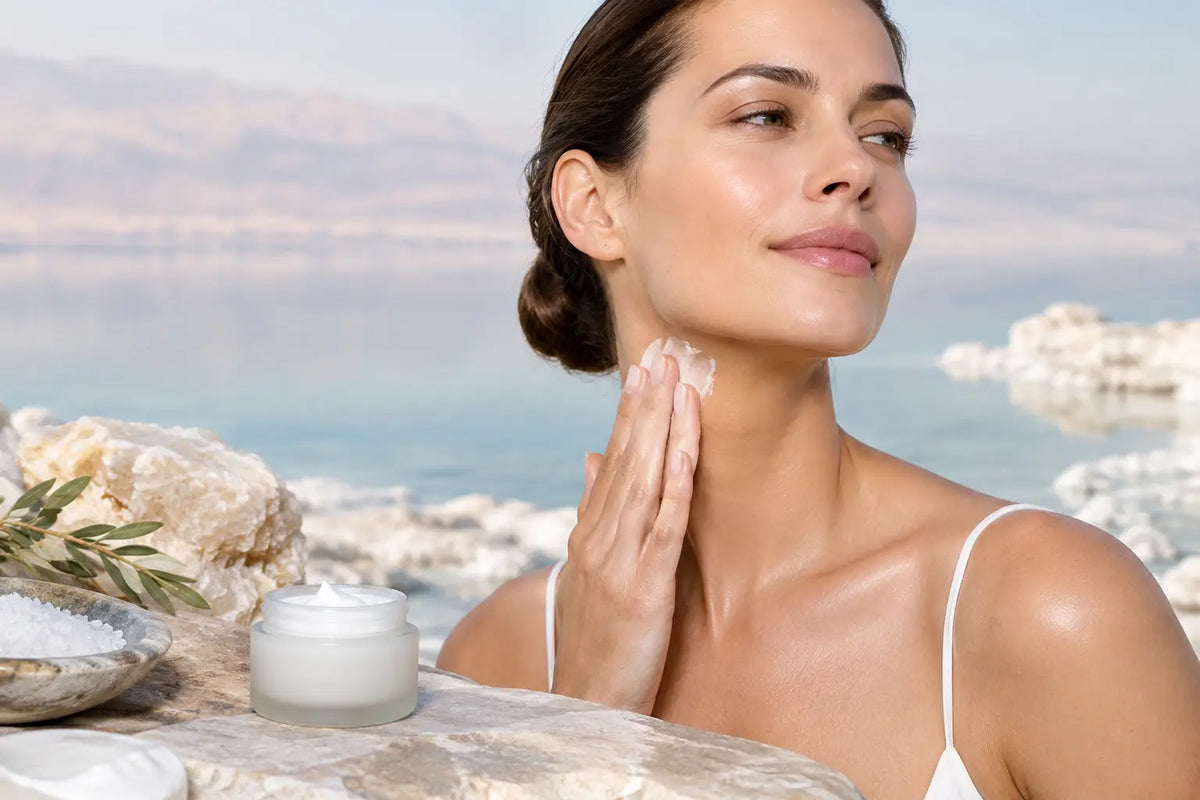
A pea-sized amount may be sufficient for the neck, while a little more can cover the décolleté, depending on the formula's texture and your skin's needs. Warm the cream between clean fingertips for a moment. This makes it easier to distribute without pulling on the skin.
More product is not necessarily better. An overly thick layer can feel uncomfortable, transfer to clothing, or make it difficult to judge whether the formula agrees with your skin. If your neck remains dry or tight after consistent use, adjust the amount gradually or consider a richer texture for evening.
Use upward, outward strokes with minimal pressure
Begin at the base of the neck and glide the cream upward toward the jawline in slow, open-handed strokes. Work from the center of the neck outward, then continue across the upper chest toward the shoulders. The goal is even coverage, not forceful massage.
Avoid tugging, pinching, or repeatedly stretching the skin. A gentle application is especially sensible for skin that is dry, reactive, or recently exfoliated. If you prefer a massage element, use the broad surface of your palms and keep pressure light. The cream should provide enough slip that your hands move easily across the skin.
Take care around the thyroid area and the hollow at the base of the throat. There is no need to press deeply into these areas. Soft, surface-level application is enough to distribute the formula effectively.
Do not stop at the jawline
The upper chest is often exposed to the same environmental factors as the neck, especially when wearing open-neck clothing. Extending your cream down to the décolleté creates a more consistent approach to hydration and visible texture across this connected area.
This is also where daily sun protection becomes essential. Apply a broad-spectrum sunscreen generously over the neck and chest each morning, allowing your neck cream to settle first. Cream alone cannot replace sun protection, and consistent sunscreen use is one of the most practical ways to support an even, healthy-looking appearance over time.
Morning vs. Evening Application
In the morning, choose a neck cream that layers comfortably beneath sunscreen and does not leave the skin feeling overly coated. A lighter cream with humectants, antioxidants, and mineral-rich conditioning ingredients can be a refined choice for daytime, particularly if the neck tends to feel dehydrated by afternoon.
Evening offers more flexibility. If your skin is dry, mature, or exposed to air conditioning, heating, and frequent travel, a richer cream may feel more restorative and comforting at night. Look for textures containing nourishing emollients, barrier-supporting lipids, and ingredients selected to leave skin soft rather than greasy.
Consistency matters more than a lengthy routine. Applying a suitable cream once daily is useful; applying it morning and night may be appropriate when skin feels dry or when the neck is part of an established skincare ritual. Let comfort guide the frequency. If a formula causes stinging, persistent redness, or itching, stop using it and seek advice from a qualified healthcare professional if symptoms do not resolve.
What to Do With Serums, Retinoids, and Exfoliants
The neck does not always respond to active ingredients exactly as facial skin does. If you already use retinoids, exfoliating acids, or vitamin C on your face, avoid assuming that the same frequency will suit your neck and chest. Begin slowly, use a small amount, and follow with a gentle moisturizer or neck cream.
On nights when you use a stronger active treatment, a simple, fragrance-conscious cream may be the better companion. It can help the skin feel comfortable without adding unnecessary complexity. Alternating active nights with replenishing, moisture-focused care is often a sensible approach for people who notice dryness or sensitivity.
Do not apply strong exfoliants immediately after shaving the neck, using a scrub, or taking a very hot shower. These situations can leave the surface temporarily more reactive. Instead, choose a comforting cream and return to active products when the skin feels calm.
Choosing a Neck Cream for Your Skin Concerns
A dedicated neck cream can be helpful, though a well-formulated face moisturizer may also work beautifully if it is comfortable on the neck and décolleté. The best choice depends on texture preference, skin sensitivity, climate, and the rest of your routine.
For dryness, prioritize humectants alongside emollients and occlusive ingredients that help the skin retain moisture. For a dull or rough-looking surface, consider formulas that pair hydrating ingredients with gentle skin-conditioning components rather than relying on frequent physical exfoliation. For mature skin, seek a cream that supports a cushioned, nourished feel and a visibly smoother-looking finish.
Mineral-based skincare is especially appealing for those who value both natural provenance and modern cosmetic formulation. Premier Dead Sea brings Dead Sea mineral heritage into sophisticated skincare textures designed to complement daily rituals, from replenishing creams to concentrated treatment products.
Fragrance is another personal consideration. A delicate scent can elevate the application experience, but those with easily reactive skin may prefer a lower-fragrance or fragrance-free option. The same principle applies to rich textures: they can be excellent for dry skin, yet may feel excessive in humid conditions or for those who prefer a lighter finish.
Common Application Mistakes to Avoid
The most common mistake is treating the neck as an afterthought and applying whatever product remains on the hands. Intentional application does not require more time, but it does require enough product to cover the area evenly.
Another is using too much pressure. The neck does not benefit from aggressive rubbing, facial tools used with force, or repeated pulling motions. A light application technique protects the comfort of the ritual and helps prevent unnecessary friction.
Finally, do not reserve neck care for occasional self-care evenings. The visible benefits people associate with premium skincare usually come from regular use, thoughtful formulation, and protection from daily exposure, not a single intensive application. Keep your neck cream where you apply your facial moisturizer, and let a few calm upward strokes become an easy, lasting part of your routine.