Clay Masks Versus Mud Masks for Your Skin
A mask should be chosen for what your skin is asking for that week, not simply for the word printed on the jar. When comparing clay masks versus mud masks, the distinction is more meaningful than texture alone. Clay is valued for its absorbent, refining character, while mud can bring a more complex blend of water, minerals, fine earth materials, and skin-conditioning ingredients. Both can earn a place in a considered routine, but they create different experiences on the skin.
For skin that appears shiny, congested, or uneven in texture, a clay-forward formula may offer the fresh, clarified finish you want. For skin that feels dry, dull, or in need of a more enveloping treatment, mineral-rich mud may be the more natural choice. The formula as a whole, your application method, and your skin’s current condition matter as much as the headline ingredient.
Clay Masks Versus Mud Masks: The Essential Difference
Clay masks are typically built around naturally occurring clays, such as kaolin, bentonite, or French green clay. These very fine mineral particles have a large surface area, a quality that allows them to bind with excess surface oil and other residue on the skin. Once rinsed away, they can leave the complexion looking more matte, smooth, and polished.
Mud masks are less uniform by definition. “Mud” can describe a blend of water, silt, clay, mineral salts, and organic materials from a particular natural source, then refined for cosmetic use. Its character depends greatly on origin and formulation. A Dead Sea mud mask, for example, is associated with the region’s distinctive mineral-rich mud, then balanced with carefully selected cosmetic ingredients to create an elegant and reliable treatment experience.
The categories can overlap. Many mud masks contain clay, and many clay masks include humectants, botanical extracts, oils, or mineral-rich water to soften their feel. That is why the ingredient list and the product’s intended use tell a more useful story than the category name alone.
What makes clay feel so refining
Clay’s appeal lies in its ability to reduce the look and feel of excess surface oil. This makes it particularly satisfying on the forehead, nose, and chin, where shine can accumulate through the day. A well-formulated clay mask can also make rough-looking texture appear more refined, especially when used consistently but not excessively.
Its trade-off is equally clear: an absorbent formula can feel too assertive on skin that is dehydrated, sensitized, or already dry. The goal is not to remove every trace of oil. Skin lipids are part of a healthy-looking barrier, and an overly frequent clay-mask routine can leave the complexion feeling tight rather than balanced.
What gives mud its distinctive character
Mud treatments are often selected for their dense, cushioning texture and their mineral profile. Dead Sea mud is particularly notable because the Dead Sea is an exceptional natural environment, known for its concentrated mineral composition. In skincare, these minerals contribute to the sensorial identity of a formula and complement a ritual designed to leave skin feeling refreshed, soft, and visibly smoother.
A mud mask is not automatically richer or gentler than a clay mask. Some are deeply cleansing and dry down firmly; others remain creamy and comfortable. The supporting ingredients make the difference. Look for a formula that pairs mineral mud with humectants and emollients if your skin tends to lose comfort easily after cleansing.
Choose by Your Skin’s Current Condition
Skin is not static. Seasonal weather, travel, cleansing habits, stress, and the active products in your routine can all change what feels appropriate. Rather than assigning yourself permanently to clay or mud, assess your complexion before each masking session.
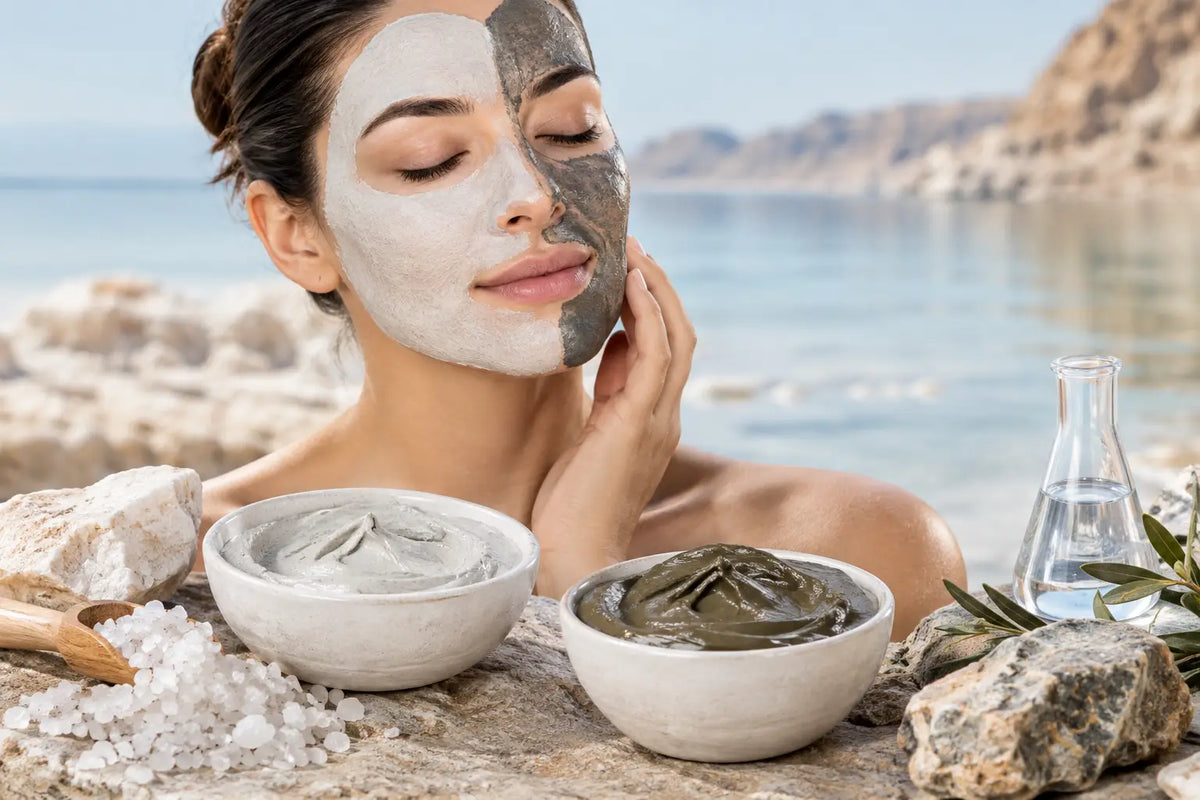
If your main concern is visible shine or a heavy feeling around the T-zone, a clay mask can be a precise choice. You do not need to apply it across the entire face. Multi-masking - applying clay where oil is most noticeable and a more comforting mask on drier areas - can be more intelligent than treating every zone the same way.
If your skin looks lackluster and feels less supple, a mineral mud mask may be especially appealing. Its creamy texture can turn a weekly treatment into a more restorative pause, particularly when followed by a hydrating serum and moisturizer. This does not replace daily barrier-supporting care, but it can complement it beautifully.
For combination skin, either option may work, depending on the formula. A balanced mud mask may offer a polished, comfortable finish across the face, while a gentle clay formula can be reserved for targeted use. For mature skin, the question is usually less about age and more about comfort, dryness, and the rest of the regimen. If retinoids, exfoliating acids, or other active ingredients are already part of your routine, favor a shorter mask session and avoid piling on multiple intensive steps at once.
Those with easily reactive skin should take a more cautious approach. Fragrance, essential oils, strong exfoliating acids, and long drying times can affect tolerance regardless of whether the base is clay or mud. Patch testing a new product and following the stated directions are sensible measures, especially when the skin barrier feels compromised.
How to Use a Mask Without Overdoing It
The most common masking mistake is waiting until a formula becomes stiff, cracked, and uncomfortable. For many clay-based masks, that stage is not a sign of greater effectiveness. It may simply mean the mask has dried beyond the point of comfort. Remove it according to the directions, often while it is still slightly damp or pliable, using lukewarm water and gentle pressure.
Start with clean skin and apply an even layer, avoiding the eye area and lips. A mask is typically a weekly or twice-weekly treatment, though the right frequency depends on the formula and your skin’s response. More is not necessarily better. If you notice persistent tightness, flaking, or irritation afterward, reduce frequency, shorten the contact time, or choose a more conditioning formula.
After rinsing, treat the next steps as part of the ritual. A hydrating serum can replenish a feeling of moisture, while a moisturizer helps support a comfortable finish. During the day, sunscreen remains essential, particularly if your routine also includes exfoliating ingredients that can make skin feel more vulnerable.
Why Dead Sea Mud Deserves Its Own Consideration
Not all mud has the same provenance, mineral composition, or cosmetic quality. Dead Sea mud carries a particular skincare heritage because it comes from one of the world’s most mineral-concentrated natural environments. Yet raw origin is only the beginning. For modern skincare, careful purification, formulation stability, texture refinement, and compatibility with other ingredients are what transform a natural material into a sophisticated cosmetic treatment.
This is where mineral science and formulation expertise should work together. A thoughtfully developed Dead Sea mud mask respects the character of the source while making it practical for contemporary skin routines: pleasant to apply, easy to remove, and designed to leave the complexion feeling comfortable rather than stripped. That balance reflects a Skin Longevity perspective - supporting skin that looks resilient, cared for, and luminous over time.
The best choice between clay and mud is rarely a permanent verdict. Keep a clay mask for moments when your skin wants a more refined, matte finish, and reach for mineral mud when it calls for a softer, more sensorial reset. Listen to how your skin feels after rinsing, not just how it looks in the mirror. Comfort is often the clearest sign that a ritual is serving your complexion well.