Article: Skin Resilience Examples That Matter Daily

Skin Resilience Examples That Matter Daily
A complexion can look luminous after a facial yet still feel tight by afternoon, react to a new product, or show fine dehydration lines after a long flight. The most useful skin resilience examples are not dramatic transformations. They are the everyday signs that skin can maintain a comfortable, smooth, rested-looking appearance when weather, travel, cleansing, and time place demands on it.
Skin resilience is often discussed as though it were a fixed trait. In practice, it is better understood as a visible expression of skin that is well supported: adequately hydrated, treated with appropriate gentleness, and cared for consistently. Genetics, age, climate, lifestyle, and product choices all influence the picture. A resilient-looking complexion is not necessarily flawless. It is one that appears balanced and able to recover its usual comfort and vitality after ordinary stressors.
What Skin Resilience Looks Like in Practice
The outermost layer of skin, the stratum corneum, has a central role in this process. Its organized mixture of skin cells and lipids helps limit moisture loss while shielding the surface from external irritants. When this layer is well maintained, skin commonly feels more comfortable and looks smoother, more even, and more supple.
That does not mean every concern has the same cause. Dullness may relate to surface dryness, accumulated dead skin cells, lack of sleep, or environmental exposure. A feeling of tightness can follow overcleansing, low humidity, or an active-rich routine that is not balanced with enough moisture and emollience. The value of resilience as a skincare concept is that it encourages observation rather than overcorrection.
Example 1: Skin Feels Comfortable After Cleansing
One of the clearest examples of resilience appears immediately after cleansing. Skin that feels clean but not stripped, hot, or squeaky has likely been treated with an approach that respects its natural surface lipids. This is especially relevant for mature skin and for anyone living in a dry or seasonally cold climate.
A gentle cleanser, lukewarm water, and a timely moisturizer can make a meaningful difference. Cleansing should remove sunscreen, makeup, excess oil, and daily impurities without turning a necessary step into a source of repeated discomfort. If the skin feels persistently tight after washing, the answer is not always a heavier cream. It may be a gentler cleansing formula or less frequent use of exfoliating products.
Example 2: Skin Maintains a Supple Look Through the Day
Another practical sign is how the complexion looks several hours after a morning routine. Does it remain comfortably soft, or do fine lines around the eyes and mouth become more noticeable as the day progresses? A sustained look of suppleness often reflects a routine that combines water-binding ingredients with nourishing oils, lipids, or emollients that help reduce the feeling of moisture evaporation.
Humectants such as glycerin and hyaluronic acid are often valuable parts of this approach, particularly when applied to slightly damp skin. Yet hydration is not simply about adding more water. In very dry air, a hydrating serum may need the support of a well-formulated cream to leave skin feeling comfortable. Texture preferences matter here: lightweight layers may suit humid climates, while richer formulas may be more appropriate in winter or for dry skin.
Example 3: The Complexion Looks More Even After Travel
Air travel, changing climates, disrupted sleep, and cabin air can leave the face looking flat or dehydrated. A resilient-looking complexion may still show fatigue after a trip, but it is less likely to remain persistently rough, uncomfortable, or visibly depleted once normal care resumes.
This is where simplicity is often more effective than an ambitious travel routine. A gentle cleanse, hydrating serum, barrier-supportive moisturizer, and broad-spectrum sunscreen are usually more useful than introducing several unfamiliar actives. Masks can also offer a restorative ritual when chosen for hydration and comfort rather than aggressive exfoliation.
Example 4: Skin Recovers Its Usual Appearance After a Seasonal Shift
The transition from summer humidity to indoor heating, or from winter cold to stronger sun exposure, tests many routines. A person may notice that products once felt ideal but now leave the skin dry, shiny, or congested. Resilience does not mean using the same products all year. It can mean recognizing when the skin needs a seasonal adjustment.
In colder months, this may involve choosing a more cushioning cream, reducing exfoliation, or applying moisturizer while the skin is still slightly damp. In warmer conditions, lighter textures and careful sunscreen application may feel more comfortable. The goal is continuity of care, not rigid loyalty to a single formula.
Skin Resilience Examples and Dead Sea Minerals
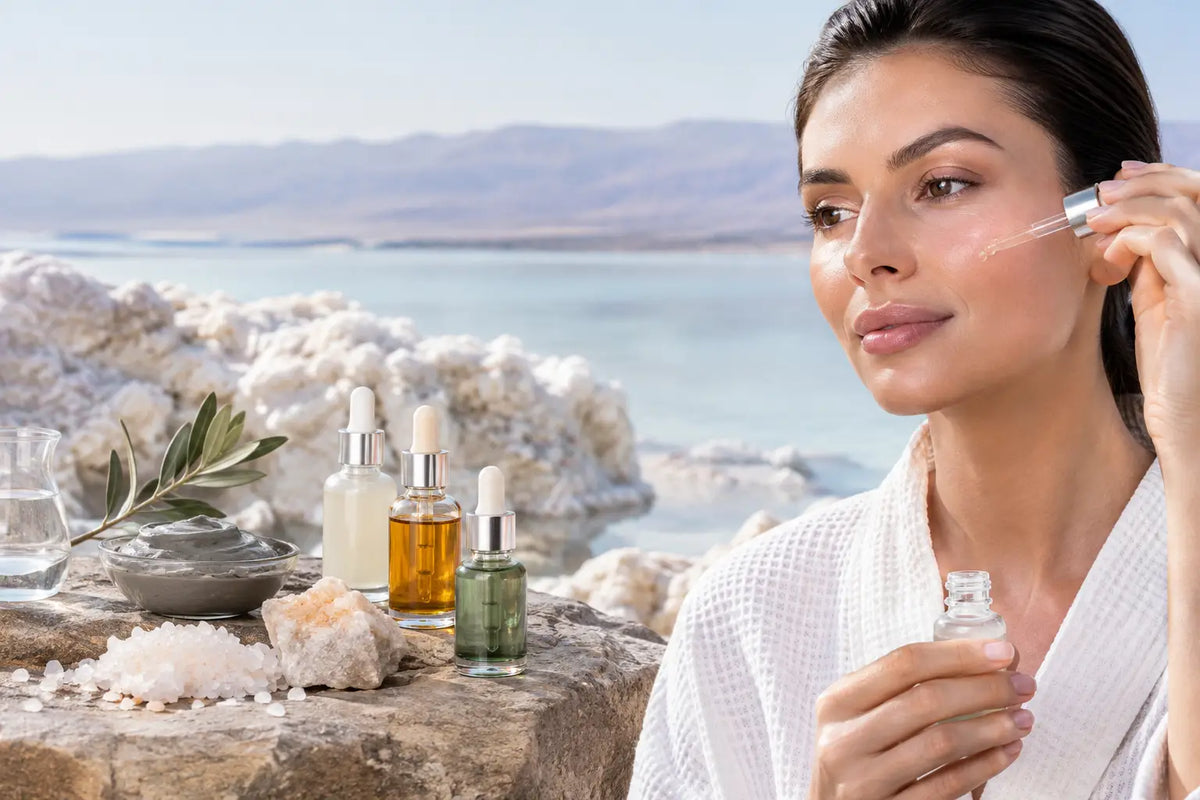
Dead Sea minerals have long been valued in cosmetic rituals for their distinctive composition and sensorial character. Mineral-rich salts and mud are used in skincare to complement cleansing, smoothing, and replenishing routines, particularly when skin feels dull, dry, or in need of renewed comfort.
A Dead Sea mud mask, for example, can be an elegant weekly treatment for skin that appears congested at the surface or lacks radiance. The experience matters as much as the formula: skin should feel refined and refreshed afterward, not uncomfortably dry. Follow with hydrating layers and moisturizer, particularly if the skin is dry or mature.
Mineral-infused body products can also support the feeling of skin resilience beyond the face. Areas such as the hands, elbows, knees, and shins are frequently exposed to friction, washing, and dry air. Consistent use of a rich body cream after bathing can help these areas look smoother and feel more comfortable.
At Premier Dead Sea, this relationship between natural mineral heritage and modern cosmetic formulation informs a broader Skin Longevity perspective. The intention is not to promise a perfect complexion or reverse the effects of time. It is to support skin with thoughtful, high-performance care that respects its changing needs throughout life.
How to Build a Routine That Supports Resilience
The strongest routines are usually disciplined rather than complicated. Begin with a cleanser suited to your skin’s comfort level, then apply hydration and a moisturizer appropriate for the season. Use sunscreen every morning as a consistent part of preserving a healthy-looking complexion, not only on visibly sunny days.
Introduce active ingredients with restraint. Retinoids, exfoliating acids, and vitamin C can all have a place in a sophisticated routine, but frequency, concentration, and formulation determine whether they complement or overwhelm the skin. If stinging, flaking, or persistent tightness develops, reduce frequency and return to a simpler, comfort-focused routine. Those with ongoing irritation or a skin concern should seek personalized advice from a qualified dermatologist.
Weekly treatments should answer a real need. A hydrating mask may suit skin that looks temporarily depleted. A gentle mineral or mud treatment may be welcome when texture feels uneven. More is not automatically better, especially when multiple exfoliating formulas are already in use.
A Better Measure Than Perfection
The most meaningful measure of resilience is consistency over time. Skin may still become drier in winter, look tired after a late night, or require a different approach as hormones and climate change. The question is whether it can return to a comfortable, cared-for appearance with sensible, consistent support.
That is the value behind these skin resilience examples: they shift attention away from chasing instant perfection and toward daily signs of well-supported skin - comfort after cleansing, softness that lasts, a smoother-looking surface, and a complexion that continues to look like itself through changing conditions.